
Elevator Troubleshooting In Las Vegas: Common Elevator Problems and What They Really Mean
An elevator break down to property owners and facilities managers in Las Vegas is not only an inconvenience but something that can have a greater impact. The problem with accessibility may appear, operations of tenants may be interrupted, customers may have negative experience, and emergency maintenance may be required.
It does not matter whether the commercial office building is in Summerlin, the healthcare building is in Henderson, the multifamily building is in North Las Vegas, or the hotel is located in Las Vegas Strip; one must understand the warning signs of problems with elevators. This will help to avoid unexpected breakdowns and prolong the life of the machinery.
At AR Elevator USA, elevators throughout Southern Nevada are routinely diagnosed and repaired by our technicians. Below are some of the most common elevator issues encountered by our team, what they mean, and how major failures can be prevented through proactive elevator maintenance.
1. Quality Issues of Power and Voltage Fluctuations
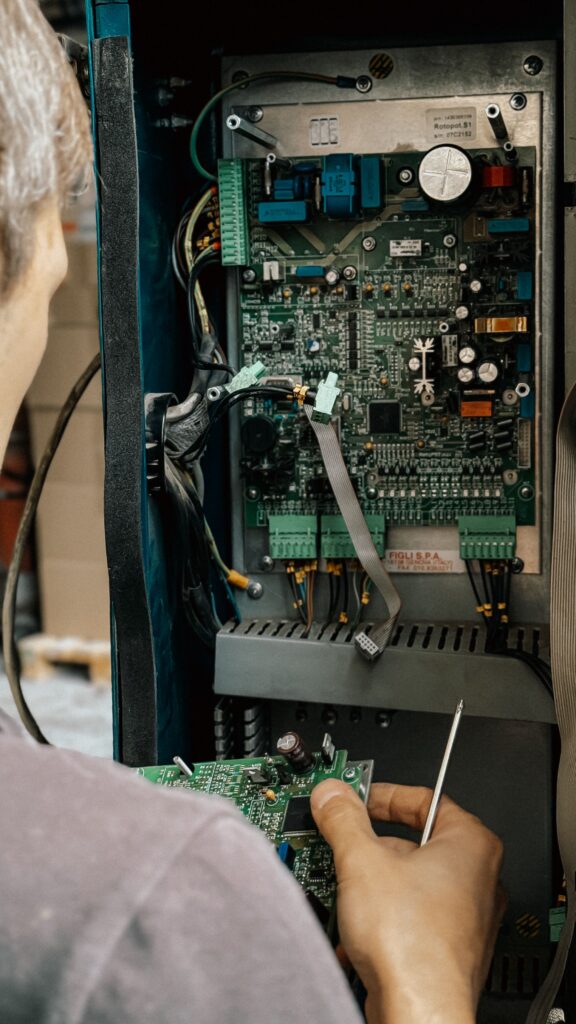
Sophisticated microprocessor controllers, variable frequency drive (VFDs), and electronic safety systems are relied upon by modern elevators, and consistent electrical power is required for their correct operation.
In Las Vegas commercial buildings, voltage fluctuations are often caused by the cycling on and off of large HVAC systems, refrigeration equipment, or other high-demand systems. Elevator faults can be triggered, or the system can be placed into shutdown mode to protect passengers and critical components, even by brief interruptions.
Common Symptoms:
• Elevator unexpectedly goes out of service
• Random fault codes or controller resets
• Elevator stalls at a floor
• Intermittent operational problems that seem difficult to diagnose
What It Means:
Sensitive electronic components may be damaged over time by power irregularities. In many cases, underlying electrical supply issues, rather than mechanical failures, are indicated by recurring shutdowns.
The Following Solution Is Recommended:
Power quality testing, controller diagnostics, and the evaluation of surge protection systems should be included in routine inspections. Recurring electrical issues can be identified through continuous monitoring before major equipment failures are caused.
2. Degraded & Contaminated Hydraulic Elevator Fluid
The hydraulic elevator system has been used extensively for low-rise commercial building structures and residences within Las Vegas. Efficient and smooth operation is provided by these systems through the use of clean hydraulic fluid.
Over time, the oil can be contaminated by moisture, metal particles, oxidation and dirt, . Nevada’s desert climate and seasonal temperature changes can also impact fluid performance.
Common Symptoms:
• Rough or shaky ride quality
• Slow elevator performance
• Uneven floor leveling
• Increased noise during operation
• Reduced lifting efficiency
What It Means:
The wear of the pumps, seals, valves, and cylinders is enhanced by dirty hydraulic fluid. This problem needs to be addressed to prevent the necessity for the repair or replacement of the hydraulic components.
The Following Solution Is Recommended:
It is possible to reduce the probability of failure of a hydraulic system by filtering the oil regularly, testing, and replacing seals in time.
3. Worn or Misaligned Elevator Door Components
Across the elevator industry, the majority of service calls are accounted for by door-related issues. Hundreds or even thousands of door opening and closing cycles can be performed daily by elevator doors, especially in busy Las Vegas casinos, hotels, healthcare facilities and office buildings.
Common Symptoms:
• Doors close slowly
• Doors reopen unexpectedly
• Scraping, grinding, or banging sounds
• Elevator remains at a floor and will not move
• Passengers experience delays entering or exiting
What It Means:
Safety interlocks, door tracks, sensors, rollers, and gibs are naturally worn over time. Even the system’s confirmation that the doors are safely closed can be prevented by minor misalignment.
The Following Solution Is Recommended:
Preventive maintenance should include:
• Door track cleaning
• Sensor alignment verification
• Roller and gib inspections
• Safety interlock testing
• Door operator adjustments
Addressing these components early helps avoid costly service interruptions and tenant complaints.
4. Hoist Rope and Sheave Wear in Traction Elevators
Throughout Las Vegas, traction elevators are commonly used in mid-rise and high-rise buildings. Steel hoist ropes running through grooves in a drive sheave are relied on by these systems to move the elevator car safely.
Over years of operation, excessive system wear can be caused by bearing wear, inadequate lubrication and uneven rope tension.
Common Symptoms:
• Elevator vibration
• Jerky movement during travel
• Excessive machine room noise
• Uneven ride quality
• Increased wear on critical components
What It Means:
Accelerated deterioration and expensive replacements can be caused by ignored rope and sheave wear. Minor issues can quickly be turned into major capital expenses if they are not identified early.
The Following Solution Is Recommended:
Regular inspections should include:
• Rope tension measurements and adjustment.
• Sheave groove analysis
• Bearing inspections
• Lubrication verification
• Equipment alignment checks
Equipment life can be significantly extended, and repair costs can be reduced through early detection.
5. Elevator Dispatch and Group Control System Failures
Multiple elevators are used in many hospitals, office towers, hotels, & mixed-use developments and are coordinated through a group dispatch system.
When communication between controllers, sensors, or software platforms is interrupted, elevator performance can quickly be degraded.
Common Symptoms:
• Elevators skipping floors
• Long passenger wait times
• Multiple cars responding to the same call
• Idle elevators while calls remain unanswered
• Inconsistent traffic flow
What It Means:
Software, communication networks, or electronic control systems are typically identified as the causes of these issues rather than mechanical failures.
Recommended Solution:
Before building operations are affected, communication faults, abnormal patterns, and software issues can be detected by advanced remote monitoring systems.
When Is Emergency Elevator Service Required?
While many elevator issues are identified only after developing gradually, immediate professional attention is required in certain situations.
Contact an elevator service company immediately if you experience:
• Passenger entrapment
• Doors opening between floors
• Burning odors from the controller or machine room
• Repeated shutdowns occurring within hours
• Noises of grinding, screeching, or electrical which is unusual
• Sudden loss of elevator operation
AR Elevator USA offers 24/7 emergency elevator service coverage in Las Vegas, North Las Vegas, Henderson, Summerlin, and other areas in Southern Nevada.
Why Preventive Elevator Maintenance Matters
The costliest elevator repairs are usually the preventable ones.
Building owners are helped by a proactive maintenance strategy to:
✅ Reduce unplanned downtime
✅ Extend equipment lifespan
✅ Improve passenger safety
✅ Lower repair costs
✅ Maintain ADA accessibility compliance
✅ Support Nevada elevator safety requirements
✅ Improve tenant and visitor satisfaction
Instead of waiting for equipment failure, modern elevator monitoring systems can identify developing problems before they disrupt your building.
Trusted Elevator Service, Repair, and Maintenance in Las Vegas
At AR Elevator USA, real-time visibility into your elevator system’s performance is provided by combining decades of elevator industry expertise with the Giga Lift Smart IoT Monitoring Platform.
By tracking temperature, vibration, friction, operational cycles, and electrical abnormalities, potential problems can be identified early by our Las Vegas elevator technicians, and corrective action can be taken before an elevator is taken out of service.
Whether elevator maintenance, elevator repair, modernization, inspections, emergency service, hydraulic elevator support, traction elevator service, or smart elevator monitoring is needed in Las Vegas, assistance is provided by our team.
Your building can be protected, downtime can be minimized, and your elevators can be kept operating safely and efficiently. A customized preventive maintenance program for your Las Vegas property can be scheduled by contacting AR Elevator USA today.
Written by Eng. Houssam Zammam
Elevator Machine Room Code Requirements in Las Vegas: A Guide for Building Owners
Elevator Machine Room Code Requirements in Las Vegas: A Guide for Building Owners Written by...
Understanding Nevada’s Fire Recall Testing Requirements: Why So Many Elevators Are Failing Inspection
Written by Eng. Houssam Zammam, QEI Elevator Inspector and Elevator Portfolio Manager Sometimes, an elevator...
Las Vegas Hydraulic Elevator Oil Change or Oil Filtration: What’s best for Your Elevator?
Written by Eng. Houssam ZammamElevator Portfolio Manager | Elevator Modernization & Vertical Transportation Consultant If...
Oil Overheating in Hydraulic Elevators in Las Vegas: Why It Happens and How to Fix It
Written by Eng. Houssam ZammamElevator Portfolio Manager The cab and doors are used by most...
Low Oil Problems in Hydraulic Elevators in Las Vegas: Causes, Warning Signs, Expensive Consequences, and Professional Repair Solutions
By Eng. Houssam ZammamQEI Elevator InspectorElevator Portfolio Manager | Elevator Modernization & Vertical Transportation ConsultantHydraulic...
How Extreme Las Vegas Heat Affects Hydraulic Elevator Oil and System Performance
By Eng. Houssam ZammamQEI Certified Elevator InspectorElevator Portfolio ManagerAR Elevator USA The relentless nature of...