
Step-by-Step Guide: Facility Managers and Building Owners.
Today’s commercial elevators are among the most heavily used systems in modern-day buildings. Commercial elevators ensure the efficient and smooth movement of people and goods in busy hospitals, office buildings, high rise towers, shopping centers and luxury hotels on a day-to-day basis. Elevator failure may result in violations of compliance requirements, costly downtime, dissatisfaction of tenant and hazards to safety. According to estimates from the industry, elevators in North America handle millions of trips every day, thereby emphasize the importance of regular inspection for safe and reliable operations. If we perform inspections and preventive maintenance, it will help you to identify any wear and tear in the elevators so we can make minor adjustments and fix them before they become major repairs.
Why Elevator Service Really Matters?
The routine service and inspection of the elevator has three basic purposes. Safety compliance is the number one factor, and we have to ensure the elevators comply with local and national safety codes. If regular service and the annual inspection are conducted, the standards will be maintained, and the liability risk will be reduced. Equipment reliability: Preventive inspections find potential problems well before the equipment breakdowns occur. By doing so it can minimize the emergency service calls, downtime and disruptions. If preventive maintenance is performed in a timely manner, it can reduce the repair costs by 20 to 40% compared to reactive programs.
Commercial elevator inspection checklist
- Inspection in the machine room:
The machine room is key to any elevator house, and it has critical equipment that operates it. The inspectors must verify the cleanliness of the room and the organization of things. There must be adequate proper ventilation and light (machine room temperature between 65°F and 90°F). The inspectors must check for any moisture intrusion or leakage of water. Basic fire safety equipment, such as fire extinguishers, must be available and inspected to verify their certificate validity. The electrical panels should be clearly accessible. The condition of the machine or pumping unit should be evaluated, and if the vibration is excessive or any… Any unusual noise or sound must be examined. The inspectors should also check for oil leaks around the machinery. The risk indicators of such issues are noticed in the machine room or oil leakage, which means a component, is damaged. If the heat is excess, it will shorten the lifespan of motor. If you see any humidity or leakage of water, it might lead to hazards of electrical systems. Dust makes the equipment overheated. So these are all the potential impacts of the issues identified in the machine rooms. The machine room door shall be self-closing and self-locking. - Inspection of the elevator cab:
The elevator car is the point of contact between the passengers and the whole system. The passengers should experience a smooth and safe ride. And the components we need to inspect are the condition of the cab floor, handrails, and wall panels; the cab ceiling; the cab lighting; and the emergency communication system and its condition. The bell button has to be checked, and we have to ensure it works perfectly. The speed and kinetic energy of the door opening and closing must be measured, and all types of display indicators must be tested, along with checking the ventilation fans. The passengers’ safety checks should be verified by the inspectors using the following list. We have to check whether the door opens and closes smoothly, with no vibrations or sudden stoppages. Floor leveling must be accurate across all floors, and if there is a power outage, the emergency lighting must be operational. The poor cab is the source of major complaints by the tenants. According to the research, the highest number of complaints is received about cab conditions. - Inspection of elevator door systems:
According to industry data, almost 70% of service calls involve elevator door issues. There are several checklists for inspecting the doors. The checklists include whether the door tracks are clean, the rollers and door operators are discharged, the functioning of safety edges or 2D curtain is verified, the sensors are operational, the timing of the door is adjusted correctly, abnormal sounds are checked, and the closing force is proper.
These problems come with warning signs, and the most common are very slow door movement, door reversal issues, a grinding noise from the elevator, doors not aligning with the floors, and intermittent sensor failures. If you address these issues earlier, you can avoid passenger entrapment in the elevator and service interruptions. - Hoist Way Inspection:
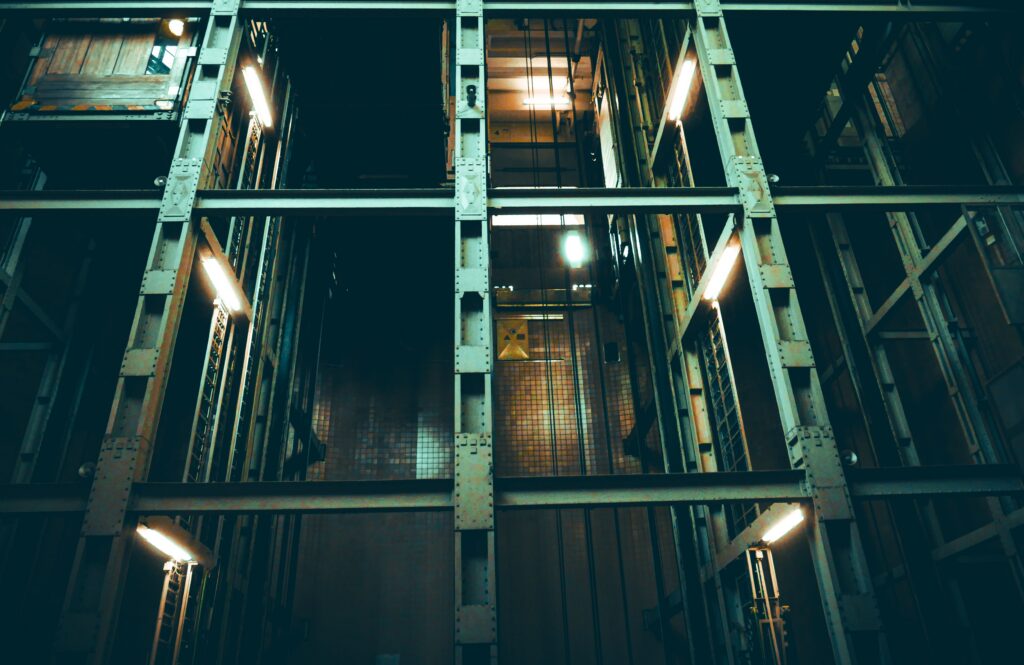
The hoistway has most of the moving components of the elevator system and should be free of hazards. The items to be inspected during the hoist way inspections are ride rail conditions, alignment of the counterweight or Jack integrity, Wire ropes integrity, cleanliness of the pit, buffer condition, no oil leakage or obstructions in the path, safety switches tested, and structural integrity verified. Hostway’s safety requirements for an inspector are that there is no accumulation of debris and that adequate lighting is available. The access control should be proper, and emergency stop devices must be functioning accordingly. - Inspection of the elevator pit.
Normally, the elevator pit is overlooked, but it remains a critical safety area. The pit inspection checklist includes the stop switch and pit light, water accumulation, the condition of the pit ladder, sump pump functionality, buffer inspection, Jack or governor weights sheave, and safety switch operation. The pit has to be checked for any leakage of oil and cleanliness. The high-risk findings from the inspection of pit would include buffers with damage, standing water, corrosion, accumulated debris and hazards from electrical system. Even a minor issue can cause significant damage to the equipment over time. - Inspection of the electrical system.
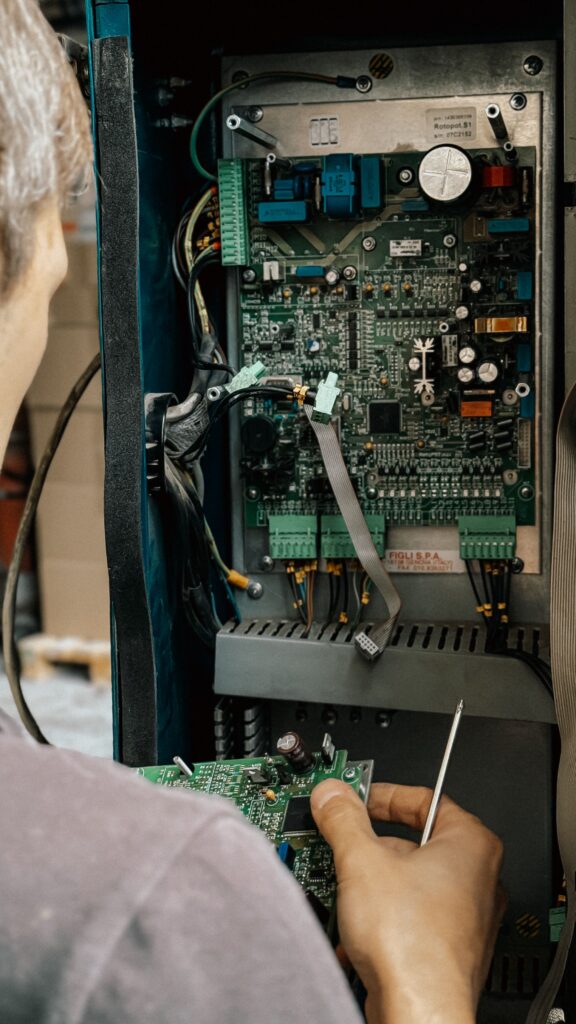
Modern-day elevators are heavily dependent on electronic controllers and power systems. The electrical components used in modern elevators include controllers, motor drives, control panels, wiring, main disconnect switches, grounding systems, emergency power integration, circuit protection devices, control software diagnostics, and battery backups. To identify clear electrical problems, there are known signs to look for. The burn marks, overheated components, loose wiring, frequently appearing fault codes, and power fluctuations. Elevator failure can happen because of electrical issues, and it remains the leading cause of downtime. - Safety device testing.
Whenever there is an emergency, safety measures are in place to protect passengers. Required safety checks are the power speed governor, emergency brakes, activation of the safety gear, communication during emergency, fire recall operations, integration of smoke detectors, emergency lowering systems, and backup power operations. We have to conduct safety testing regularly. Safety testing is conducted annually for critical elevators, with time-to-time load testing. Whenever tests and inspections are conducted, building owners should maintain records and retain documentation so that jurisdictions and inspectors can review the results and findings of previous testing.
Commercial Elevator Health Score:
The Commercial Elevator Health Score rates the status and safety system of the elevator. Scores between 90 and 100 are rated Excellent and indicate that the systems are in top condition, pose little risk of system repair, and fully comply with safety codes/standards.
Scores rated Good (75 – 89) indicate that the systems are in overall good condition, but are in need of some regular maintenance. These systems may have some components in a state of wear, which may necessitate system repair to preserve the system’s reliability.
Scores rated Fair (60 – 74) indicate a risk of systems going out of service, and repairs may be needed in many cases. Systems with scores below 60 are rated Poor and pose a greater risk of going out of service, with real safety issues and a possible threat of system failure.
Trends Shaping the Elevator Inspection Industry:
Elevator inspections are becoming more efficient and proactive due to technological advancements and the modernization of safety regulations. The most significant development here has been the use of predictive maintenance. With predictive maintenance, elevators are equipped with IoT sensors, cloud technologies, and remote diagnostics.
AI-based maintenance analytics are also used. These continuous assessments help serious providers to recognize and solve elevator issues before breakdowns and disruptions occur. Advancements in technology and regulations have also driven a shift from paper-based to digital systems for inspection reporting. These digital reporting systems greatly reduce time and effort, allowing elevator inspectors and owners to focus on maintenance and compliance.
Digital inspection reporting systems also incorporate features to ensure compliance, such as automated alerts and maintenance history documentation. The changes brought by technology and modern regulations have made elevator systems increasingly reliable.
Inspections are more efficient in helping building owners to evaluate the impact of modernization on cost and performance. Elevator energy consumption reduces operating costs.
The inspections are increasingly becoming data-driven.
Documentation Every Building Should Maintain:
Documentation of records is good for elevator maintenance. Your maintenance log should include daily inspection notes, Service call records, parts replacement history, safety test results, code compliance documentation, fire recall test report.
These logs help us to know about the elevator condition, performance, and service history. Digital record management systems will enhance ease of audits and access, and improve the experience of regulatory inspections.
Conclusion:
Commercial elevator inspection provides value in meeting regulatory compliance. Effective risk management includes a well-designed inspection program. An inspection program designed to address and identify issues before they evolve into large problems. They ensure more effective and safe operations. Inspections also reduce operational costs and improve reliability. The service life of elevator systems can be extended through regular inspections.
Facility managers need to engage certified elevator professionals in a program that routinely inspects all the key components of an elevator system, including the machine room, elevator cab, hoist way and shafts, pits, electrical systems, and elevator safety devices.
Commercial property managers make sure the elevators undergo routine inspections, along with remote monitoring and the use of smart technologies, to provide reliable and safe elevator systems.
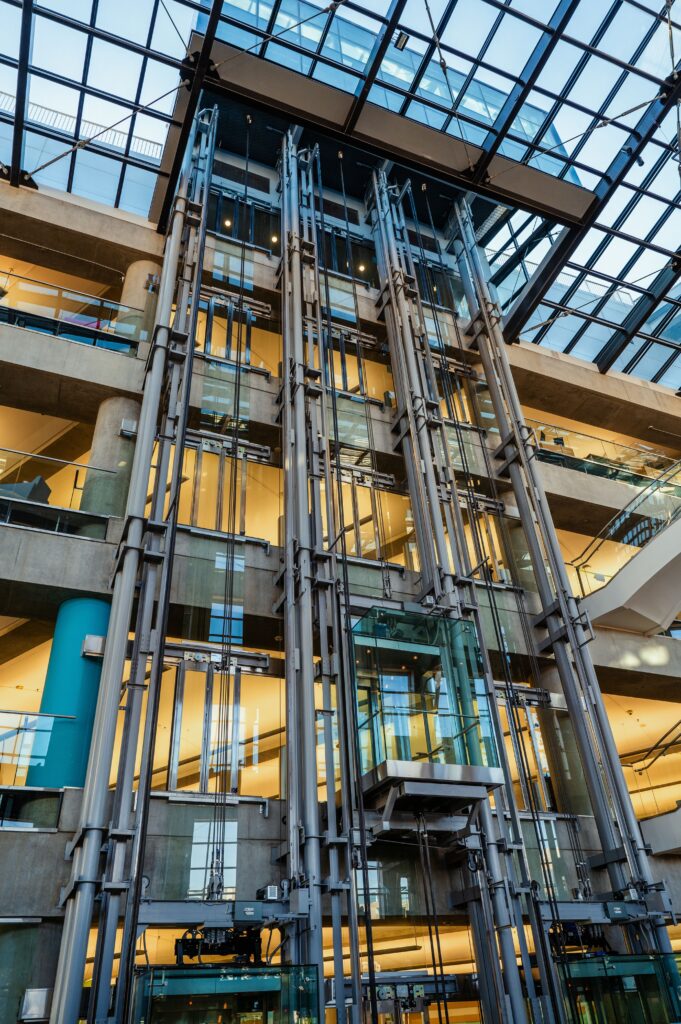
Elevator Machine Room Code Requirements in Las Vegas: A Guide for Building Owners
Elevator Machine Room Code Requirements in Las Vegas: A Guide for Building Owners Written by…
Understanding Nevada’s Fire Recall Testing Requirements: Why So Many Elevators Are Failing Inspection
Written by Eng. Houssam Zammam, QEI Elevator Inspector and Elevator Portfolio Manager Sometimes, an elevator…
Las Vegas Hydraulic Elevator Oil Change or Oil Filtration: What’s best for Your Elevator?
Written by Eng. Houssam ZammamElevator Portfolio Manager | Elevator Modernization & Vertical Transportation Consultant If…
Oil Overheating in Hydraulic Elevators in Las Vegas: Why It Happens and How to Fix It
Written by Eng. Houssam ZammamElevator Portfolio Manager The cab and doors are used by most…
Low Oil Problems in Hydraulic Elevators in Las Vegas: Causes, Warning Signs, Expensive Consequences, and Professional Repair Solutions
By Eng. Houssam ZammamQEI Elevator InspectorElevator Portfolio Manager | Elevator Modernization & Vertical Transportation ConsultantHydraulic…
How Extreme Las Vegas Heat Affects Hydraulic Elevator Oil and System Performance
By Eng. Houssam ZammamQEI Certified Elevator InspectorElevator Portfolio ManagerAR Elevator USA The relentless nature of…