
Technical Insights: For Property Owners and Facility Managers
Introduction
Within the Las Vegas commercial real estate market, the elevators are recognized as critical mission infrastructure like high-rise hotels, mixed-use developments, healthcare facilities, and retail centers that operate around the clock. These vertical transportation systems are must perform reliably under extreme desert temperatures, high traffic volumes and continuous operational demand.
Elevators go unnoticed when they function properly. However, even minor malfunctions can disrupt the operations of tenant, impact the experience of visitor and introduce safety & compliance risk. Maintaining elevator performance becomes increasingly complex as buildings age due to wear of components, evolve of safety codes, and rise in usage for demands.
Knowing the most common elevator issues allows the property owners and facility managers in Las Vegas to minimize downtime, manage maintenance costs, and extend equipment life.
In Las Vegas why the Elevator Reliability Matters?
Unlike in smaller markets, buildings, hotels, casinos, and the high-rise residential towers in Las Vegas experience exceptionally high elevator usages.
System downtime can have direct impact on:
Tenant satisfaction and retention
- Guest experience in hospitality environments
- Operational efficiency
- Nevada regulations and the Code compliance is under ASME A17.1 2019, A17.3 2020
- Overall property value
Elevators are no longer considered conveniences; they are essential systems tied directly to building performance.
Snapshot of Commercial Elevator Systems Industry
- Lifespan typically expect: range from 20 to 30 years under normal conditions
- Average cost of annual maintenance (Las Vegas): $2K to $10k + per unit
- Estimated annual trips: more than 20 K to 100 K cycles per year
- Frequency maintenance recommendations: Depending on daily usage it will be Monthly
- Or quarterly.
- Timeline of modernization: 20–25 years
Reduction of emergency service calls by up to 50% and significant improvement of system reliability with effective preventive maintenance programs.
1. Door System Failures (Most Common Issue)
Elevator doors account for the majority of service calls in commercial buildings.
Typical Problems:
- Doors failing to open or close completely
- Slow or erratic door movement
- Sensor malfunctions
- Misaligned tracks
- An adequate closing force and kinetic energy
Root Causes:
- Worn rollers and guides
- Dirt and debris accumulation (common in desert environments like Las Vegas)
- Faulty door operators
- Damaged safety sensors
- Wrong adjustment
Because doors cycle thousands of times per month, component wear is inevitable. A door failure can take the entire elevator out of service.
Risk Preventive Measures:
- Routine track cleaning
- Sensor calibration
- Door operator inspections and adjustment
- Proactive component replacement
2. Elevator Mislevelling (Floor Alignment Issues)Proper leveling ensures the elevator floor aligns precisely with the building floor.
Warning Signs:
- Elevator stopping above or below floor level
- Uneven entry/exit conditions, which will create a tripping hazard
Common Causes:
- Brake wear
- Sensor or encoder failures
- Control system inaccuracies
- Motor or drive issues
- Load unbalance, and wire ropes stretch
- Hydraulic System Vulnerabilities: oil leak and drops, or oil temperature and Viscosity Changes
Impact on safety:The problem of misleveling presents serious trip hazard, especially in senior living & care facilities, hospitals and the buildings with ADA-compliant accessibility features.
Prompt corrective action is always essential for maintaining full compliance with applicable safety standards and for avoiding potential liability issues.3. Frequent BreakdownsRepeated service interruptions usually indicate deeper system issues.
Symptoms:
- Increasing service calls
- Error codes and inconsistent operation
- Abnormal noises or travel behavior
Contributing Factors:
- Aging equipment
- Deferred maintenance
- Outdated control systems
- High usage (common in Las Vegas hospitality properties)
At a certain point, continuous repair become less cost-effective than modernization.
Common Complaints:
- Long wait times
- Slow acceleration or deceleration
- Inefficient dispatching
Causes:
- Outdated controllers
- Heavy passenger traffic
- Aging motors and drives
- Lack of traffic analysis optimization
- Impact on Business:
5. Unusual Noise and Vibration Pattern
An elevator that functions properly should always operates smoothly and quietly.
Common Sounds:
- Grinding
- Rattling
- Clicking
- Excessive vibration
Causes:
- Worn bearings or rollers
- Misaligned components
- Insufficient lubrication
- Motor or gearbox issues
Ignoring early warning signs can lead to major mechanical failure and higher repair cost.
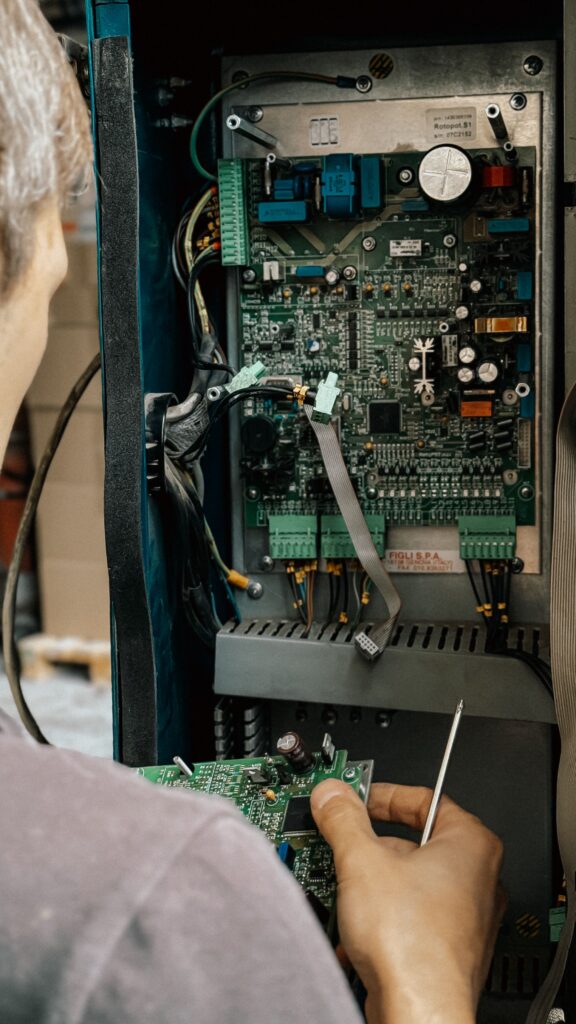
6. Failure of the Electrical System
The modern elevators rely heavily on electronic controls and automated systems.
Common Issues:
- Controller failure
- Wiring faults
- PCB (circuit board) defects
- Power fluctuations (important in high-demand Vegas buildings)
Symptoms:
- Unexpected shutdowns
- Door malfunctions
- Erratic operation
Early identification of electrical issues is now enabled by advanced diagnostics and predictive maintenance tools.
7. Elevator Entrapments
Although rare, passenger entrapments remain one of the most critical service events.
Possible Causes:
- Power outages
- Control system failure
- Door system malfunction
- Brake issues
Best Practices:
- Maintain communication with passengers
- Follow standardized rescue procedures
- Avoid unauthorized rescue attempts
Professional response protocol minimizes the risk and liability.
8. Aging Equipment and Obsolete Components
Many Las Vegas commercial buildings still operates the elevator that was installed decades ago.
Common Issues:
- Increased breakdown frequency
- Difficulty sourcing replacement parts
- Reduced efficiency
- Higher energy consumption
Industry Recommendation:
Evaluate modernization when systems reach 20–25 years of services.
9. Elevator Overheating (Critical in Las Vegas Climate)
Extreme desert temperatures can significantly affect elevator equipment.
Causes:
- Poor machine room ventilation
- Overworked motors
- Dust accumulation
- Cooling system failure
Consequences:
- Reduced equipment lifespan
- Increased downtime
- System shutdowns
Routine temperature monitoring is especially important in Nevada’s climate conditions.
10. Code Compliance and Safety Regulations
Advancements in safety and technology, elevator codes continuously evolve.
Key Compliance Areas:
- Emergency communication systems
- Fire service operation, especially the fire recall operation
- Door protection systems; Door lock monitor and door restrictor
- Emergency brake, ascending car and unintended car protection
- Accessibility (ADA compliance)
- Seismic safeguards
Fines, along with safety risks, and liability exposure can result from failure to comply.
The Role of Elevator Modernization
For many Las Vegas property owners, modernization is a cost-effective alternative to full replacement.
Benefits:
- Improved reliability
- Enhanced safety systems
- Lower maintenance costs
- Increased energy efficiency
- Better passenger experience
Typical Upgrades:
- Microprocessor controllers
- New door operator and door accessories
- New fixtures
- New machine or pumping unit
- Destination dispatch systems
- Regenerative drives
- IoT-based monitoring systems, when requested
- New jack or wire ropes
Modernization can extend elevator life while aligning systems with current standards.
AR Elevator modernization packages provide the most advanced, economical, and robust upgrade solutions, complying with the latest ASME code and state of Nevada law requirements.
Trends in 2026: Emerging Elevator
High-demand markets like Las Vegas are driving rapid evolution in the elevator industry.
Key Trends:
- AI-based predictive maintenance
- Remote monitoring and diagnostics
- Touchless call systems
- Smart building integration
- Real-time performance analytics
AR Elevator’s predictive AI-based solutions provide the most advanced, economical, and robust upgrade solutions, helping reduce downtime and improve operational efficiency.
The Most Effective Strategy of Preventive Maintenance:
Unexpected elevator failures are best prevented through a structured preventive maintenance program.
Activities recommended for Maintenance:
- Quarterly inspections or even monthly in high-traffic buildings
- Lubrication of moving components
- Door system testing and adjustment
- Safety device verification
- Electrical system diagnostics
- Performance tracking
Measurable Benefits:
- Up to 50% reduction in emergency calls
- 20–30% increase in equipment lifespan
- Lower long-term repair costs
- Improved tenant and occupant satisfaction
Conclusion
Elevator reliability in Las Vegas the commercial buildings is directly tied to strict law compliance, overall operational performance, occupant safety, and tenant experience. The costly disruptions can be caused by common issues such as misleveling, door failure, electrical fault, aging component and overheating if they are not addressed proactively.
Through contracting with AR Elevator USA, a comprehensive maintenance strategy is implemented, and modernization is planned at the appropriate lifecycle stage. Regulatory compliance, optimal performance and long-term asset value can be ensured by property owners.
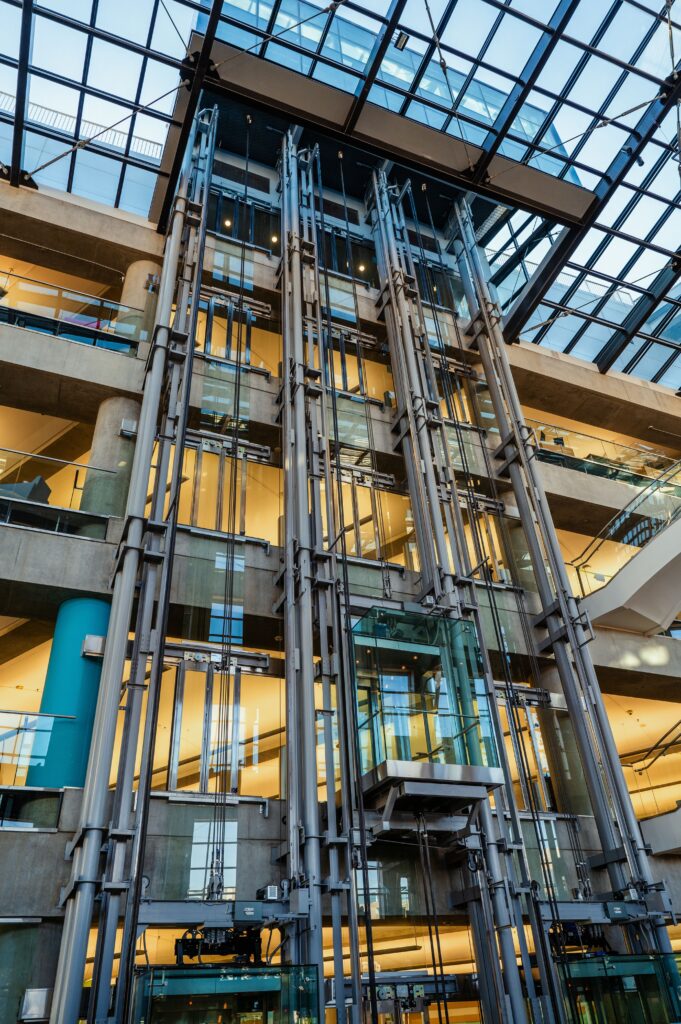
Elevator Machine Room Code Requirements in Las Vegas: A Guide for Building Owners
Elevator Machine Room Code Requirements in Las Vegas: A Guide for Building Owners Written by…
Understanding Nevada’s Fire Recall Testing Requirements: Why So Many Elevators Are Failing Inspection
Written by Eng. Houssam Zammam, QEI Elevator Inspector and Elevator Portfolio Manager Sometimes, an elevator…
Las Vegas Hydraulic Elevator Oil Change or Oil Filtration: What’s best for Your Elevator?
Written by Eng. Houssam ZammamElevator Portfolio Manager | Elevator Modernization & Vertical Transportation Consultant If…
Oil Overheating in Hydraulic Elevators in Las Vegas: Why It Happens and How to Fix It
Written by Eng. Houssam ZammamElevator Portfolio Manager The cab and doors are used by most…
Low Oil Problems in Hydraulic Elevators in Las Vegas: Causes, Warning Signs, Expensive Consequences, and Professional Repair Solutions
By Eng. Houssam ZammamQEI Elevator InspectorElevator Portfolio Manager | Elevator Modernization & Vertical Transportation ConsultantHydraulic…
How Extreme Las Vegas Heat Affects Hydraulic Elevator Oil and System Performance
By Eng. Houssam ZammamQEI Certified Elevator InspectorElevator Portfolio ManagerAR Elevator USA The relentless nature of…