
For commercial property owners, facility managers, hotel operators, healthcare facilities, apartment communities, and real estate investors throughout Nevada, hydraulic elevators continue to be used as one of the most common forms of vertical transportation. Hydraulic elevator systems have been used for decades in commercial properties across Las Vegas and Southern Nevada because they are considered reliable, durable, and cost-effective for low-rise buildings.
However, a point is eventually reached by even the most dependable elevator system where routine repairs are no longer considered financially practical. As hydraulic equipment increasing maintenance costs, getting ages, recurring service calls, growing challenges with replacement part availability and longer downtimes are often experienced by building owners. When those issues begin affecting building operations and tenant satisfaction, elevator modernization is considered a practical and financially sound solution.
Rather than having the entire elevator system replaced, modernization is focused on upgrading the critical mechanical, electrical, and safety components by which performance and reliability are determined. The result is a safer, more efficient elevator through which the building can continue to be served for decades while the cost and disruption of a complete replacement are avoided.
When Does a Hydraulic Elevator Need Modernization?
Before major modernization should be considered, a service life of approximately 20 to 25 years is typically provided by most commercial hydraulic elevators. While equipment life can be extended through routine maintenance, several warning signs indicate that the end of the useful lifespan of core system components may be approaching.
Common indicators include:
• Frequent service calls and equipment shutdowns
• Slow or inconsistent leveling at floor landings
• Rough starts and stops during travel
• Leaking hydraulic fluid
• Obsolete controllers and electronic components
• Recurring door operation problems
• Difficulty obtaining replacement parts
• Increased energy consumption
• Repeated code-compliance upgrades
Modernization tends to offer greater returns on investments compared to repairs when several such problems exist at once.
What Are the Components of a Hydraulic Elevator Modernization?
The components of a hydraulic elevator modernization include all aspects required to enhance performance and safety.
The major structural components of the system, including the following, are preserved through modernization rather than complete elevator replacement:
• Guide rails
• Elevator cab frame
• Hoistway infrastructure
• Platform assembly
• Hydraulic cylinder, when suitable for continued service
The primary focus is replacing equipment responsible for operational performance and passenger experience.
Hydraulic Power Unit Replacement
The hydraulic power unit is the heart of the elevator system.
In many older Nevada installations, original power units suffer from internal wear, inefficient motor operation, excessive noise, and poor leveling performance.
Modernization typically includes:
• New hydraulic pump assemblies
• High-efficiency motors
• Advanced electronic control valves
• Improved oil management systems
• Enhanced pressure regulation components
Modern hydraulic valve technology provides significantly smoother acceleration and deceleration while improving floor leveling accuracy and reducing passenger complaints.
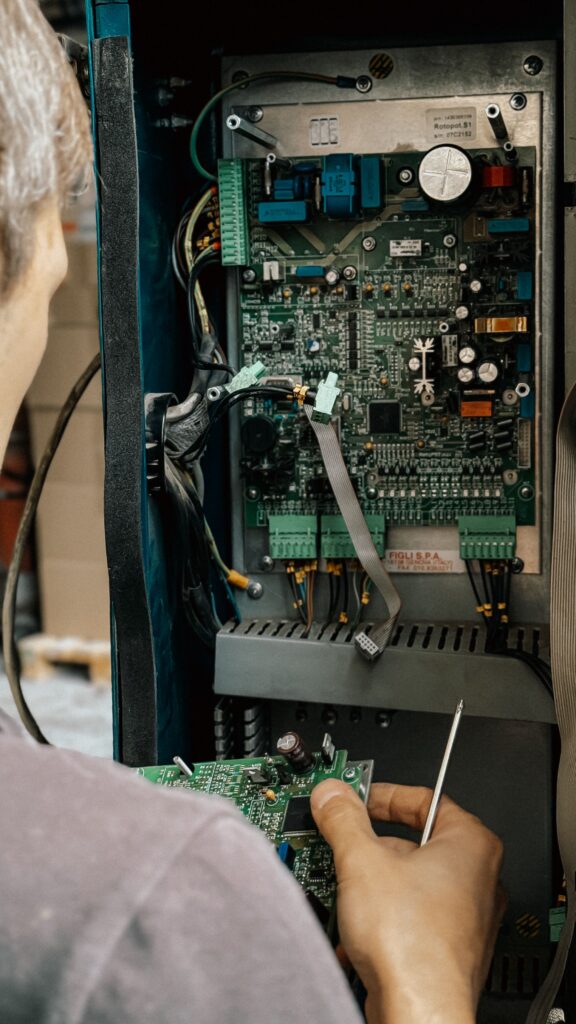
Controller Modernization
The system’s operating brain is served by the elevator controller.
Many hydraulic elevators installed during the 1980s and 1990s are still operated using relay-based control systems or obsolete electronic platforms that are increasingly difficult to maintain.
Modern controller upgrades provide:
• Real-time diagnostic monitoring
• Improved reliability
• Faster troubleshooting
• Better traffic management
• Reduced downtime
• Improved maintenance efficiency
Elevator performance can be continuously monitored by microprocessor-based controllers, and developing issues can be identified before they result in service interruptions.
Electrical System Upgrades
During modernization, aging electrical infrastructure is often replaced by contractors, including:
• Traveler cables
• Hoistway wiring
• Junction equipment
• Landing devices
• Positioning systems
• Safety circuits
System dependability is improved by these upgrades while electrical faults that can trigger nuisance shutdowns are reduced.
Door Equipment Modernization
Across the elevator industry, the leading cause of service calls continues to be attributed to door-related problems.
A worn hydraulic pump may not be noticed by passengers, but slow, noisy, or unreliable doors are immediately noticed.
Modernization frequently includes:
• Heavy-duty door operators
• New tracks and hangers
• Rollers and linkages
• Electronic door protection devices
• Updated safety edges
• Infrared door sensors
Modern door systems improve both passenger safety and overall elevator reliability.
Emergency Communication Upgrades
One of the fastest-growing modernization priorities involves elevator emergency communication systems.
Many older hydraulic elevators still operate with outdated emergency telephones that provide only basic communication capabilities.
Today’s modernization projects commonly include:
• Two-way hands-free voice communication
• One-way in-car video capability to assist with passenger entrapment assessment
• Text-enabled communication systems that improve accessibility and emergency response
• Remote monitoring capabilities
• Enhanced emergency dispatch integration
Emergency situations can be better evaluated by monitoring personnel and first responders through these technologies, while multiple communication methods are provided for passengers who may be unable to use standard voice systems.
Hydraulic Elevator Modernization Costs Estimate for Nevada for 2026
Cost estimates depend on the condition of the equipment, the amount of travel, access issues, building height, and the total scope of the job.
Two- and Three-Story Buildings
For most office properties, low-rise commercial buildings, multifamily developments, and medical facilities a comprehensive hydraulic modernization is generally priced within the following range:
$95k to $105k per elevator
This typically includes:
• Controller replacement
• Power unit modernization
• Door operator upgrades
• Fixture and Electrical improvements
• Safety system updates
Four- and Five-Story Buildings
Additional equipment, wiring, and installation labor are required for larger hydraulic systems.
These projects generally range between:
$115k to $135k per elevator
Higher costs are often associated with:
• Additional landing stops
• Longer hoistways
• More complex wiring requirements
• Increased code-compliance modifications
Potential Additional Costs
Every modernization project begins with a detailed equipment assessment because certain deficiencies may require additional corrective work.
Common examples include:
If underground leakage, the absence of protective liners or hydraulic cylinder deterioration is revealed during inspection, additional replacement costs can be incurred:
$45k to $65k
depending on system configuration and site conditions.
Cab Interior Renovations
Many owners choose to modernize the cab appearance at the same time.
Common improvements include:
• New wall panels
• Ceiling upgrades
• LED lighting systems
• Flooring replacement
• Handrails
• Digital position indicators
While not required for operation, these upgrades tenant perception and improve aesthetics.
Machine Room Improvements
Some projects may require:
• Ventilation upgrades
• Electrical modifications
• Fire-code improvements
• Equipment room modernization
Such factors need to be assessed before project planning to prevent any surprises with regards to cost overruns.
Project Timeline and Building Impact
One of the most common questions property owners ask is how long modernization will affect building operations.
Engineering and Procurement Phase
Most hydraulic modernizations require:
2 to 4 months
for:
• Site surveys
• Engineering design
• Permit approvals
• Equipment manufacturing
• Material procurement
During this phase, the elevator typically remains fully operational.
Installation Phase
Once equipment arrives, the physical modernization process generally requires:
4 to 6 weeks per elevator
The elevator under consideration should remain out of service until the installation process is complete.
In cases where there are several elevators in a building, one elevator at a time is upgraded in order to keep the tenancy moving.
The Long-Term Return on Investment
Although a significant capital investment is represented by modernization, the financial benefits extend well beyond improved reliability.
Property owners often realize value through:
Lower Energy Costs
Significant reductions in power consumption can be achieved with controllers, hydraulic components and modern motors compared to older equipment.
Reduced Repair Expenses
Replacing aging systems reduces:
• Emergency service calls
• Downtime
• Parts shortages
• Labor-intensive repairs
Improved Tenant Satisfaction
Reliable elevators contribute directly to:
• Better tenant retention
• Improved visitor experience
• Reduced operational complaints
• Enhanced building reputation
Greater Asset Value
A modernized elevator system is regarded as a long-term capital improvement through which property valuation, marketability, and investor confidence can be positively influenced.
Why Nevada Property Owners Trust AR Elevator USA
Hydraulic elevator modernization, elevator repairs, elevator maintenance, code-compliance upgrades, and elevator modernization projects are specialized in by AR Elevator USA throughout Las Vegas, Henderson, North Las Vegas, Summerlin, Boulder City, Mesquite, and across Southern Nevada.
Passenger safety is enhanced, reliability is improved, equipment life is extended and operating costs are reduced through our modernization programs while compliance with current Nevada elevator requirements is ensured.
In addition, integration with the Giga Lift Smart IoT Platform can be provided through our enabling real-time system monitoring, modernization packages, 24/7 equipment visibility and predictive maintenance analytics.
Considering a hydraulic elevator modernization for your property?
A professional assessment and a detailed modernization proposal tailored to your building’s operational requirements and budget can be obtained by contacting AR Elevator USA today.
Email: info@arelevatorusa.com
Address: 4345 Corporate Center Drive, 203 Suites, North Las Vegas, NV 89030
Written By Eng. Houssam Zammam
An Elevator Portfolio Manager
Elevator Machine Room Code Requirements in Las Vegas: A Guide for Building Owners
Elevator Machine Room Code Requirements in Las Vegas: A Guide for Building Owners Written by...
Understanding Nevada’s Fire Recall Testing Requirements: Why So Many Elevators Are Failing Inspection
Written by Eng. Houssam Zammam, QEI Elevator Inspector and Elevator Portfolio Manager Sometimes, an elevator...
Las Vegas Hydraulic Elevator Oil Change or Oil Filtration: What’s best for Your Elevator?
Written by Eng. Houssam ZammamElevator Portfolio Manager | Elevator Modernization & Vertical Transportation Consultant If...
Oil Overheating in Hydraulic Elevators in Las Vegas: Why It Happens and How to Fix It
Written by Eng. Houssam ZammamElevator Portfolio Manager The cab and doors are used by most...
Low Oil Problems in Hydraulic Elevators in Las Vegas: Causes, Warning Signs, Expensive Consequences, and Professional Repair Solutions
By Eng. Houssam ZammamQEI Elevator InspectorElevator Portfolio Manager | Elevator Modernization & Vertical Transportation ConsultantHydraulic...
How Extreme Las Vegas Heat Affects Hydraulic Elevator Oil and System Performance
By Eng. Houssam ZammamQEI Certified Elevator InspectorElevator Portfolio ManagerAR Elevator USA The relentless nature of...