
For owners of hotels, casinos, office towers, healthcare facilities, mixed-use developments and residential high-rises across Nevada, traction elevators are regarded as among the most important building systems. These elevators are operated continuously, with thousands of passengers being transported daily while the efficient flow of people throughout a property is supported.
Unlike hydraulic elevators typically found in low-rise buildings, passengers are transported quickly and efficiently over greater travel distances by traction elevators through the use of hoisting ropes, traction sheaves, counterweights, motors, and sophisticated control systems. While traction systems are built for their reliability, efficiency, maintainability and long-term performance are eventually affected by evolving technology, wear, and age.
When a traction elevator reaches 20 to 30 years of service, interruptions of recurring service, growing compliance concerns, obsolete parts, and increasing repair costs are often faced by property owners. At that stage, modernization becomes a strategic investment through which performance can be significantly improved while the useful life of the elevator system can be extended for decades.
What Is Traction Elevator Modernization?
Traction elevator modernization is a comprehensive upgrade in which aging mechanical, electrical, and electronic systems are replaced while the major structural components of the elevator are preserved.
In most cases, the following components remain in service:
• Guide rails
• Counterweight structure
• Elevator cab frame
• Hoistway structure
• Machine room infrastructure where applicable
The replacement of equipment that directly affects safety, efficiency, reliability and performance is prioritized through modernization.
Rather than having ongoing repairs performed on aging equipment, the elevator is upgraded to current standards, and long-term operation is significantly improved.
Key Components Included in a Traction Elevator Modernization
A professionally engineered modernization typically addresses several critical systems throughout the machine room, hoistway, and elevator cab.
Traction Machine and Drive System Upgrades
The traction machine is considered the heart of the elevator system.
During modernization, the condition of the existing gearless or geared machine is evaluated by engineers, and it is determined whether replacement or rehabilitation offers the best long-term value.
The Common upgrades include:
• High-efficiency AC motors
• Variable Voltage Variable Frequency (VVVF) drives
• Regenerative drive technology
• Brake system upgrades
• Traction sheave regrooving or replacement
Smoother acceleration and deceleration are provided by modern drive systems while mechanical stress on the elevator equipment is reduced
The difference is immediately noticed by passengers through improved ride comfort, quieter operation, and more accurate floor leveling.
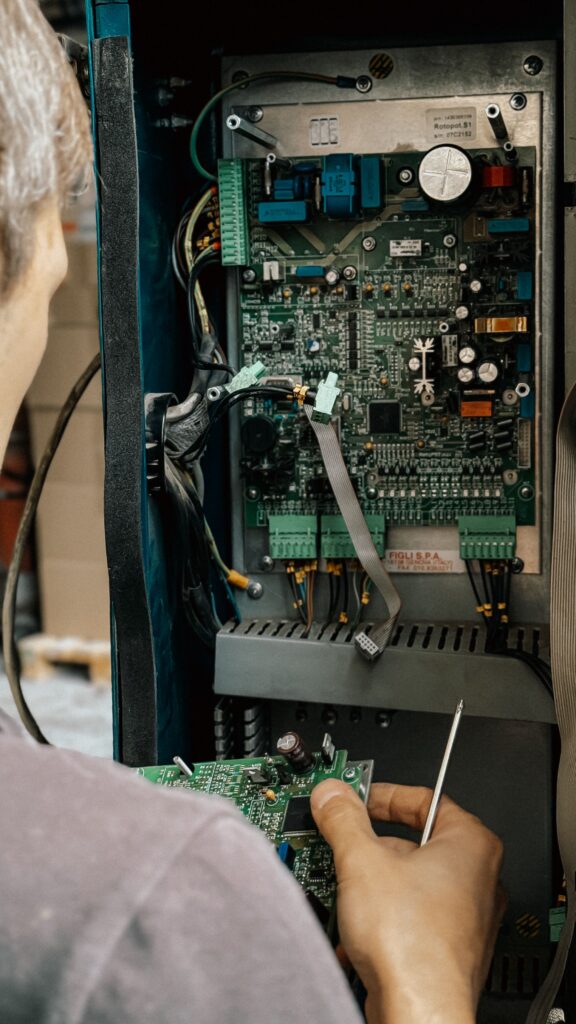
Controller Modernization
There exist many elevators from the 1980s and 1990s which are still being run by outdated relay logic controls and first generation electronic controls.
Modern microprocessor controllers provide substantial operational improvements, including:
• Advanced diagnostics
• Remote monitoring capabilities
• Improved reliability
• Faster troubleshooting
• Reduced downtime
• Enhanced traffic management
For high-traffic buildings such as casinos, hotels, and office towers, passenger flow during peak periods can be dramatically improved by modern controllers.
Destination Dispatch Systems
Many Nevada high-rise buildings are incorporating destination dispatch technology as part of modernization projects.
Unlike traditional elevator operation, the destination floor is selected by passengers before the elevator is entered when destination dispatch systems are used.
The software then groups passengers traveling to similar destinations and assigns the most efficient elevator.
Benefits include:
• Reduced waiting times
• Improved traffic flow
• Greater handling capacity
• Enhanced passenger experience
• More efficient building operations
This technology has become increasingly popular in office towers, healthcare facilities, and hospitality properties throughout Las Vegas and Reno.
Door Equipment Modernization
Across the elevator industry, door systems remain the leading source of service calls.
A significant portion of modernization budgets is often allocated to replacing:
• Door operators
• Door tracks
• Rollers
• Hangers
• Door protection devices
• Infrared safety sensors
Modern door systems provide faster and more reliable operation while reducing nuisance shutdowns and passenger complaints.
Hoistway and Electrical Upgrades
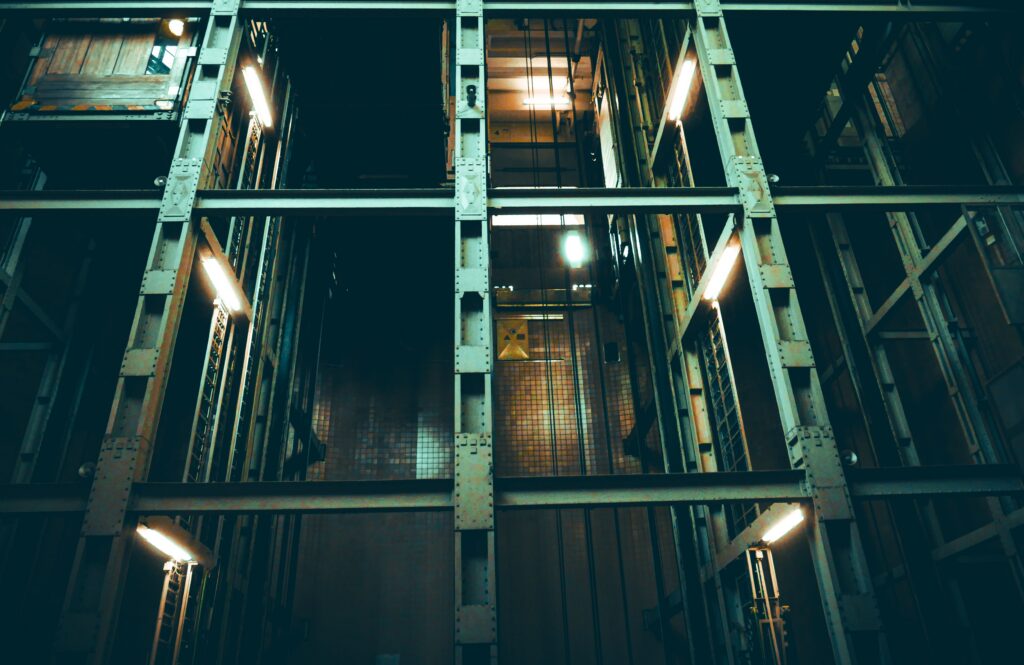
A traction modernization also addresses critical infrastructure inside the hoistway.
This often includes:
• New traveling cables
• Hoistway wiring
• Positioning systems
• Limit switches
• Safety circuits
• Landing equipment
Communication between system components is improved by these upgrades, and the likelihood of electrical failures is reduced.
Emergency Communication System Modernization
One area receiving increasing attention in modern elevator upgrades is passenger emergency communication.
Many older traction elevators still use outdated communication systems that provide limited functionality during emergencies.
Today’s modernization projects frequently include advanced communication technology such as:
• Two-way hands-free voice communication
• One-way in-car video capability for passenger entrapment assessment
• Text-enabled communication systems that support accessibility and emergency response
• Remote monitoring integration
• Enhanced emergency dispatch connectivity
Conditions can be assessed more effectively by monitoring personnel and first responders during emergency situations, and multiple communication options are provided for building occupants.
Traction Elevator Modernization Costs in Nevada for 2026
The cost involved in modernization is highly dependent on the structure height, speed demands, system complexity, and size of the modernization project.
Geared Traction Elevator Modernization
Geared traction systems are frequently used in high rise residential buildings, mid-rise office buildings, mixed-used buildings, and parking garages.
A comprehensive modernization typically ranges between:
$200k to $350k per elevator
This investment generally includes:
• New controller systems
• VVVF drives
• Door equipment upgrades
• Electrical modernization
• Safety system improvements
• Communication upgrades
Gearless Traction Elevator Modernization
Gearless traction technology is often relied upon by luxury residential developments, major hotels, high-rise office towers, healthcare facilities and casinos.
A complete modernization typically ranges between:
$250k to $450k+ per elevator
Projects in this category frequently include:
• High-performance gearless drive systems
• Advanced controller platforms
• Destination dispatch integration
• Extensive rewiring
• Enhanced safety systems
• Modern communication technologies
Because of the complexity of these installations, engineering and labor costs are typically higher than those associated with geared traction systems.
Potential Additional Costs
Modernization budgets can be influenced by unique conditions presented by each building.
Additional costs may include:
Fire Service and Safety Upgrades
Properties may require:
• Fire recall upgrades
• Firefighters’ emergency operation improvements
• Machine room code modifications
• Emergency power integration
Seismic Compliance Improvements
Some properties may require structural upgrades to meet current seismic safety requirements and applicable codes.
Machine Room Improvements
Modernization projects occasionally uncover additional needs involving:
• Ventilation upgrades
• Electrical system improvements
• Equipment room modifications
• HVAC enhancements
These items should be evaluated during the initial assessment phase to avoid budget surprises.
Project Timeline and Operational Planning
One of the most common concerns among property owners is how modernization will affect building operations.
Engineering and Procurement Phase
The planning and procurement stage generally requires:
3 to 5 months
This period includes:
• Site inspections
• Equipment evaluation
• Engineering design
• Permit approvals
• Manufacturing
• Material procurement
• Material shipping
The elevator remains operational during most of this phase.
Installation Phase
Once equipment arrives on-site, construction begins.
Typical installation schedules include:
Geared Traction Elevators
• Approximately 8 to 10 weeks per elevator
Gearless Traction Elevators
• Approximately 10 to 14 weeks per elevator
The affected elevator is kept out of service during installation.
For buildings with multiple elevators, modernization is typically completed one unit at a time so that acceptable building traffic flow can be maintained.
Long-Term Benefits of Traction Elevator Modernization
Modernization should be viewed as a strategic capital improvement rather than a repair expense.
Key benefits include:
Reduced Energy Consumption
With modern regenerative drive technology, braking energy can be captured and returned to the building’s electrical system, thereby reducing overall power consumption.
Lower Maintenance Costs
New equipment requires fewer repairs and offers:
• Faster diagnostics
• Better parts availability
• Improved reliability
• Reduced downtime
Enhanced Passenger Experience
Modernized traction elevators deliver:
• Smoother rides
• Faster response times
• Quieter operation
• Improved floor leveling
• Better cab aesthetics
Stronger Asset Value
The marketability and value of commercial real estate are directly affected by reliable vertical transportation.
A modernized elevator system demonstrates proactive asset management and enhances the long-term appeal of the property to tenants, guests, and investors.
Why Nevada Building Owners Partner with AR Elevator USA
AR Elevator USA specializes in the following: modernization of traction elevators, elevator maintenance, elevator repair, destination dispatch system, improving compliance with Nevada elevator codes, and intelligent elevators.
While we make sure that you comply fully with the current Nevada elevator codes, we reduce your operating expenses, enhance the safety of your passengers, increase the lifespan of your equipment, and increase the reliability of your equipment.
Modernization projects are also integrated with our Giga Lift Smart IoT Platform, through which real-time monitoring, predictive maintenance analytics, equipment performance tracking, and 24/7 visibility into elevator operations are provided.
Considering a traction elevator modernization project?
A professional site assessment, lifecycle evaluation, and detailed modernization proposal tailored to your building’s operational goals and long-term investment strategy can be obtained by contacting AR Elevator USA.
Email: info@arelevatorusa.com
Address: 4345 Corporate Center Drive, 203 Suites, North Las Vegas, NV 89030
By Eng. Houssam Zammam
An Elevator Portfolio Manager
Elevator Machine Room Code Requirements in Las Vegas: A Guide for Building Owners
Elevator Machine Room Code Requirements in Las Vegas: A Guide for Building Owners Written by...
Understanding Nevada’s Fire Recall Testing Requirements: Why So Many Elevators Are Failing Inspection
Written by Eng. Houssam Zammam, QEI Elevator Inspector and Elevator Portfolio Manager Sometimes, an elevator...
Las Vegas Hydraulic Elevator Oil Change or Oil Filtration: What’s best for Your Elevator?
Written by Eng. Houssam ZammamElevator Portfolio Manager | Elevator Modernization & Vertical Transportation Consultant If...
Oil Overheating in Hydraulic Elevators in Las Vegas: Why It Happens and How to Fix It
Written by Eng. Houssam ZammamElevator Portfolio Manager The cab and doors are used by most...
Low Oil Problems in Hydraulic Elevators in Las Vegas: Causes, Warning Signs, Expensive Consequences, and Professional Repair Solutions
By Eng. Houssam ZammamQEI Elevator InspectorElevator Portfolio Manager | Elevator Modernization & Vertical Transportation ConsultantHydraulic...
How Extreme Las Vegas Heat Affects Hydraulic Elevator Oil and System Performance
By Eng. Houssam ZammamQEI Certified Elevator InspectorElevator Portfolio ManagerAR Elevator USA The relentless nature of...