
The safety regulations for the elevators in Nevada are increasingly strict and stringent as the state wants the building infrastructure to be modernized and have an updated safety standard. The state has to address the growing concerns of aging elevator systems and hence stricter rules are in place.
In 2026, the project property managers, contractors, building owners, and the elevator service providers across the state of Nevada should comply with a combination of administrative codes, inspection mandates, standards of ASME, state statutes, and documentation requirements for maintenance.
From the high-rise casinos of Las Vegas to the commercial towers and residential projects, the elevators are the basic and critical infrastructure. If you do not comply with the Nevada elevator regulations, you will be fined and the elevator work permit will be suspended. The risk of liability and operational shutdowns with serious safety concerns will be in place.
As per the Nevada Elevator Regulations, all the escalators, elevators, dumbwaiters, moving walks, and the wheelchair lifts falls under the safety compliance framework of the state.
Overview of Nevada elevator industry:
The growth of urban and tourism-driven economy of Nevada has been significantly increasing over the past decade, and the high-rises of Nevada has ensured that the elevator usage is on constant increase. Las Vegas, alone has thousands of elevators across casinos, convention centres, hotels, hospitals, residential buildings, and airports.
The estimates say the elevator modernization and the spending to make sure the compliance is met are growing across the nation because of
- Aging infrastructure,
- The high-rise construction increase,
- Stricter safety enforcements,
- Adoption of newer ASME codes and smart elevator systems,
- The predictive maintenances, &
- Cybersecurity issues.
Due to these challenges, the regulators of Nevada have come up with more inspection protocols and updated safety standards, which will be effective from 2026 and beyond, ASME A17.3 2020 edition.
The core elevator compliance requirements for 2026:
1. Operating permits.
Under the law of Nevada, the required permits are required to operate the elevators, which will be issued by the Mechanical Compliance Section MCS. As per Nevada Statute Code NAC 455C 510- 600,
Once the compliance approval is provided, the existing elevators must receive the permit within a month.
The new elevators must obtain the permit within 15 days of the approval.
The permit details will be provided, posted, and accessible on-site.
Unsafe elevators will have their permits revoked or suspended.
Here is the workflow for the operating permit. Once the installation is done, the inspection will be done by the authorities and the compliance approval will be provided. Within the particular date of approval, the permit will be issued and will be posted on site. Every permit has to be renewed annually. If the operators do not have the valid permit, the enforcements will act upon and the elevator will be shut down.
2. Periodic and annual inspections:
The State of Nevada requires inspections on a regular basis depending on the types of elevators which is being used. Under the NAC 455C.516, the passenger elevators must be inspected every year. The dumbwaiters must be done on an annual basis. Freight elevators must be done on annual basis. The escalator and moving walks – 6 months, construction hoists – 3 months, the private residence elevators should be done on initial and every time the property will have a new owner.
3. Adoption of ASME safety standards.
ASME has different safety codes. Nevada officially adopts those safety codes through NAC 455C.500. The effective ASME standards for 2026, which includes ASME A17.1, which is the safety codes for escalators and elevators. ASME 17.2 is the guide for inspection. QEI-1, the inspector qualification standards. ANSI A10.4, construction personnel hoisting standards. The updated schedule of Nevada’s adoption has introduced newer and modern standards.
Adopted elevator codes in the NV State:
- ASME A17.1 2019.
- ASME A17.2 2017.
- ASME A17.3 2020.
- ASME A17.4 2015
- ASME A17.5 2019
- ASME A17.6 2017
- ASME A17.7 2012
- ASME A17.8 2015
- A18.1 2017
- A10.4 2016
- A90.1 2015
4.The requirements for certified elevator mechanics:
The Nevada laws also regulate the mechanics who repair and maintain the elevators. Under the Revised Statute of Nevada 455C.160, it requires that only a certified elevator mechanic should install, alter, repair, or maintain the elevators. The violation will result in heavy penalties, and the contractors must maintain the right licensing and proper certification.
MCPs:
The MCPs are known as Maintenance Control Programs. This is considered as a very important compliance requirement in 2026 as per ASME A 17.1 2019.
The Nevada regulations require that maintenance procedures be documented, service logs be maintained, the repair history documentation, the records of the inspection, and accessibility during the inspections. Whenever there is an inspection from the authorities with the help of technicians, the property owners must make sure that the maintenance records are available at the elevator machine room. The required MCP documentations are maintenance logs with testing and repair records, work permits, fire retest reports, and documentation on code compliance.
If the property owners do not maintain proper documentation, it will be considered a compliance violation, and they will be acted upon appropriately.
Inspection authority/ Enforcement powers:
The Mechanical Compliance Section (MCS) of Nevada has significant and it is the only enforcement authority within the state’s jurisdiction under NAC 455C.518.
The inspectors,
- If the elevator is not in compliance with A17.1 2019 and A17.2 2017, then the elevator will not pass the inspection, and the property has to fix the NOVs within 3 months of the date of the inspection.
- Safety violations will be reported to MCS and this will suspend the elevator work permit.
The common reasons for the violations of compliance are
- Emergency communication system failure or non-compliance,
- Machine room conditions are not proper, including door self-locking and self-closing requirements.
- Expired or missing fire extinguisher.
- Pit light or stop switch failure.
- Missing fire recall report, dual-signed by the elevator maintenance company’s mechanic and fire system technician.
- Missing maintenance records,
- Permits that have expired,
- Failures in door safety,
- Incomplete testing,
- Issues in the fire Phase 1 & 2
- The machine room light or air conditioning are not working.
- Pit sump pump
Fire safety and emergency recall requirements:
The elevator fire safety compliance is of major focus in 2026. The modern code for the fire safety requirements typically involves recall systems in elevators, smoke detectors, firefighting emergency operations, machine room fire protection, and a smart power disconnect system (shunt trip) when you have sprinckler in machine room. The discussions among the mechanics, inspectors and the fire safety professionals show there is an improved attention on recall operations and the compliances in recall operations. Also, the machine room sprinkler coordination plays an important role in fire safety.
The checklist for the fire safety compliance in elevators is:
The elevator recall function is a critical compliance requirement. Smoke detection, emergency power shutdown, firefighting operations, Phase 1 and 2 are required depending on the year of installation, the travel height, and fire safety requirements at that building.
Integrating the alarm along with system failures is “essential”, but the elevator recall function remains critical among all the other requirements.
Key elevator modernization compliances:
Old Buildings in Nevada operate elevators more than 20 years old. The systems are old and aging, and they struggle to keep up with the modern quality and code requirements. You have to get into modernization, and the modernization projects include door operator upgrades, new controllers for the elevator, emergency communication systems, upgrades on seismic detection, energy-saving and efficient drives, and improvements in ADA accessibility.
Nevada requests the newly upgraded elevators to be tested and inspected before getting into operations.
Smart elevators with cybersecurity:
The new elevators are smart, and even the old elevators are getting upgraded into smart elevators, which are connected through the internet and monitored by the Internet of Things. The smart elevators have cloud diagnostics, predictive maintenance, monitoring done in the remote site, fault detection by AI if added. Previously, the elevators were purely standalone and mechanical means, but right now it is connected through internet and digital connectivity has made the elevators prone to cybersecurity attacks. The industry experts talk about the cybersecurity as a part of the safety management for elevators.
Newly installed or upgraded elevator compliance for cybersecurity includes secure remote access, multi-layered data protection, system redundancy, real-time diagnostics, predictive maintenance reports, and more, depending on the building’s cybersecurity level.
The challenges of compliance:
Aging infrastructure, Las Vegas hotels are popular and old. The commercial buildings need more modernization efforts and drive.
The shortage of technicians is huge in the elevator industry. The whole nation faces a shortage of certified mechanics.
The delays in supply chain management result in delays in getting the parts replaced or due to obsolete parts. The components that have high proprietary values really delay the repairs for weeks and months because of the supply chain management issues.
Inspection scrutiny has been increased as part of stringent laws and protocols. The inspectors ensure that documentation should be taken seriously, along with signage and emergency systems. The visibility of the permit is also imposed by the inspectors.
The best practices for the elevator compliances :
1. Valid work permit; make sure to get your elevator inspected before your work permit is expired.
2. Preventive maintenance really helps the building owners to reduce the emergency breakdowns and to address all the code compliance requirements, and deficiencies can be corrected.
3. Fire recall report shall be available and valid before the date of annual inspection.
4. Records should be organized and documented properly in machine room so that the elevator is always ready for inspection.
5. Do not wait for the system to go completely unreliable or non-compliant. Start your modernization drive earlier so you can schedule elevator use as soon as possible.
6. In the State of NV, only a C7 licensed contractor with licensed mechanics can work on your elevators.
What is the feature of elevator regulations in the state of Nevada?
As the ASME standards are evolving and technologies for the elevators are evolving, Nevada is going to update the regulations for elevators on an ongoing basis. We are anticipating trends that are likely to address future compliance.
As the construction of high-rise buildings is on the rise in Las Vegas and Reno, the safety compliance for the elevator will stay important for the building owners, and the regulators will have stricter rules in the upcoming years.
Conclusion
The code compliance for elevators in 2026 for Nevada is a broader national requirement for stricter safety and a modernization drive. It also includes digital integration of the elevators so that the safety can be monitored from anywhere.
The building owners and the contractors who work on the elevator must be proactive with the predictive and proactive maintenance programs, documentations, helping with inspections and planning for the modernization drive.
The compliance is just not about passing the inspections. It is going to have a long-term visibility with ongoing risk management, fire safety, reliability of the elevator operations, and strategies which define the predictive maintenances.
If the property owners invest enough in elevator compliance, it will help to reduce the downtime of elevators, decrease the repair value in the long run, improve the safety of tenants, reduce liability, and save property value in the long term.
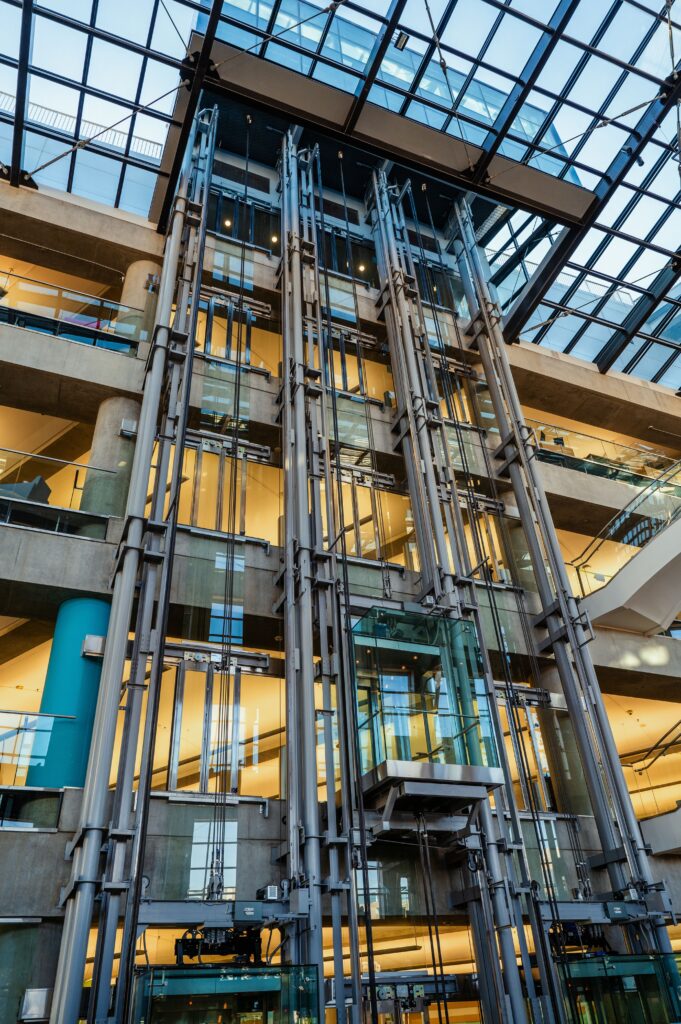
Elevator Machine Room Code Requirements in Las Vegas: A Guide for Building Owners
Elevator Machine Room Code Requirements in Las Vegas: A Guide for Building Owners Written by…
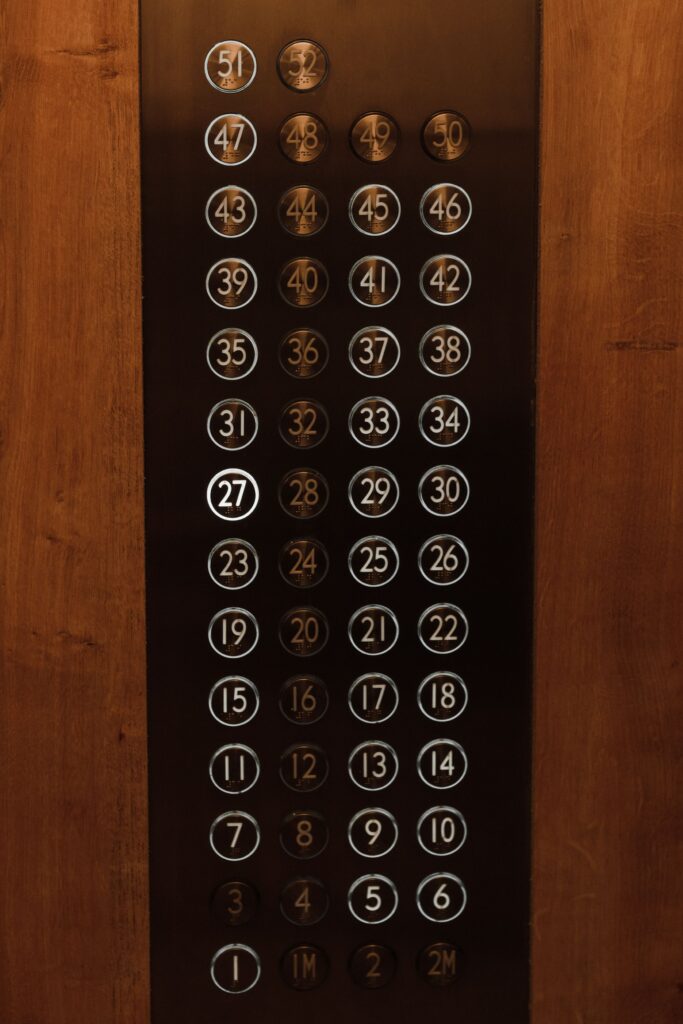
Understanding Nevada’s Fire Recall Testing Requirements: Why So Many Elevators Are Failing Inspection
Written by Eng. Houssam Zammam, QEI Elevator Inspector and Elevator Portfolio Manager Sometimes, an elevator…
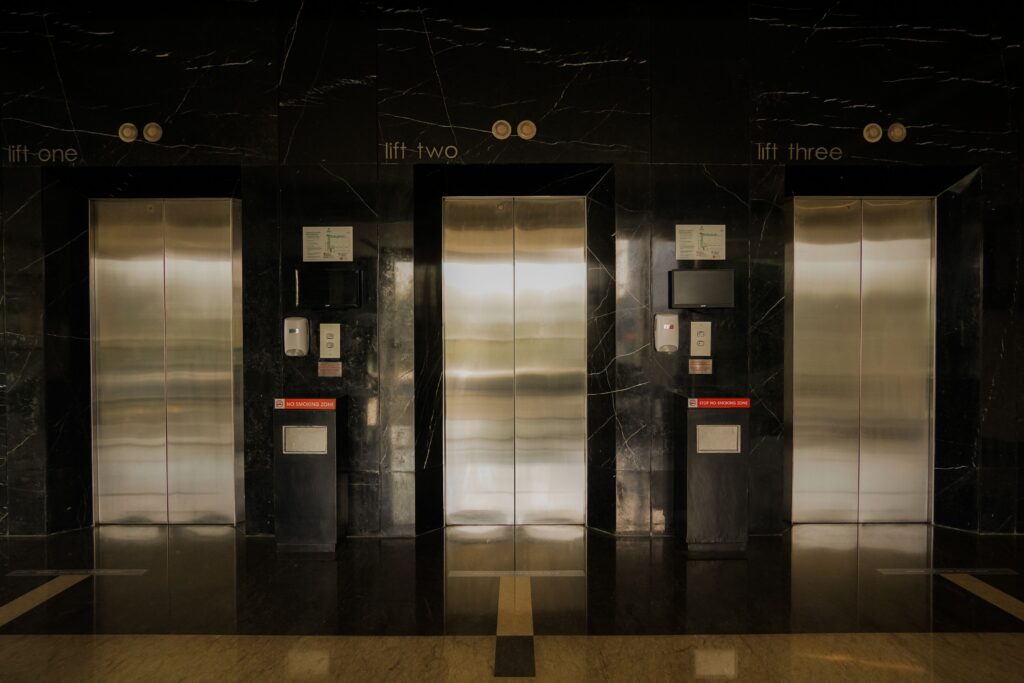
Las Vegas Hydraulic Elevator Oil Change or Oil Filtration: What’s best for Your Elevator?
Written by Eng. Houssam ZammamElevator Portfolio Manager | Elevator Modernization & Vertical Transportation Consultant If…
Oil Overheating in Hydraulic Elevators in Las Vegas: Why It Happens and How to Fix It
Written by Eng. Houssam ZammamElevator Portfolio Manager The cab and doors are used by most…
Low Oil Problems in Hydraulic Elevators in Las Vegas: Causes, Warning Signs, Expensive Consequences, and Professional Repair Solutions
By Eng. Houssam ZammamQEI Elevator InspectorElevator Portfolio Manager | Elevator Modernization & Vertical Transportation ConsultantHydraulic…
How Extreme Las Vegas Heat Affects Hydraulic Elevator Oil and System Performance
By Eng. Houssam ZammamQEI Certified Elevator InspectorElevator Portfolio ManagerAR Elevator USA The relentless nature of…