
Modern buildings have elevators as a most important system of their property. From offices to hospitals, hotels to shopping complexes and residential buildings, elevators are of great use and make sure people access their respective floors. The elevators have safety, accessibility, and very good user experiences. Whenever an elevator system is installed and it gets older, the property owners have a decision to make, whether they have to modernize the elevator or completely replace it with a new one.
There are several factors which influences the answer, which includes the age of the building, the frequency of the repair done on the elevator, the code compliances of the state government, cost of operations, increase in passenger traffic, and long-term vision on the building. The infrastructures get old and it has become a concern all over the world. The modern elevator market, modernization of elevator market is growing rapidly. Reports from the industry says that the modernization is on increase because of the rising maintenance cost and stricter safety measures. This report is from grandviewresearch.com.
When we know the difference between modernizing the existing elevator and complete replacement, the building owners can make an informed and futuristic decision. It involves cost efficiency too.
What is elevator modernization?
Upgrading the current elevator components while retaining some parts of the original system is called elevator modernization (as per code A17.1 even if you change the whole elevator but still using the existing hoistway then it called modernization or alteration). Rather than removing the complete elevator systems, the mechanics and technicians will replace the outdated electrical, safety, and mechanical components, parts to make sure the performance and safety are in compliance to the rules of the state.
The minimum modernization package for a hydraulic elevator:
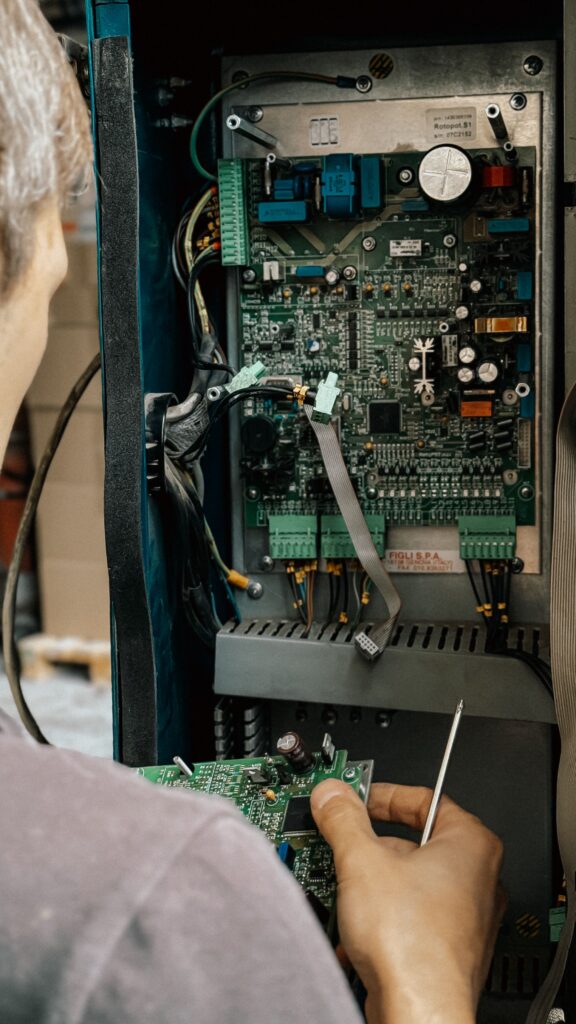
- New controller and power softener.
- New pumping unit.
- New door operator.
- New selector and safety sensors.
- New fixture including communication system ( car control panel, hall station, lantern, buttons, phones, video, camera,..)
- Traveling cable and hoistway cable
- Fused disconnect for main and 110 v power supply.
- Sump pump
- If the jack installed before 1974 then it will need new oil jack, it the jack installed after 1974 then it depending on the jack condition.
And depending on the elevator installation year and actual condition of the existing elevator, this can include as well the cab, cab door, hoistway doors, all door accessories, guide shoes, car platform, and even rails.
The minimum modernization package for a traction elevator:
- New controller and drive.
- New machine, governor, governor tail sheave, and emergency brake on the machine or rope gripper.
- New wire ropes.
- New buffer if they are oil buffer.
- Seismic displacement kit and switch.
- New door operator.
- New fixture including communication system ( car control panel, hall station, lantern, buttons, phones, video, camera,..)
- Traveling cable and hoistway cable
- Fused disconnect for main and 110 v power supply.
- Sump pump.
- Safety devices in some conditions
And depending on the elevator’s year of installation and the actual condition of the existing elevator, this can also include the cab, cab door, hoistway doors, all door accessories, guide shoes, car platform, and even guide rails.
The elevator structure is functional, but when the technology is outdated, modernization is chosen over replacement.
The scope of the elevator modernization is checking the elevator structure which functions, replacing with critical components which has been outdated, make sure the safety and efficiency is improved, and the lifespan of the elevator gets extended. The modernization drive can make sure the elevator life can be extended by 20 to 25 years based on the current system conditions.
What is a complete elevator replacement?
When we remove the existing system and install a completely new elevator, then it is called a complete elevator replacement (as per code, if it is in the same hoistway, then it is an alteration, even if we change the whole system completely).
This normally includes a completely new hoist system, new cab and guide rails, new machine equipment with electrical infrastructure, which is completely new and modern. The doors and shafts modifications will be completely new, along with updated safety systems.
Why should we opt for replacement? The reason being, the current elevator system becomes too unreliable, very old, completely unsafe, the rails and car platform are out of strength and capacity, and economically has higher cost of repair.
What are the differences between modernization and complete replacement?
The cost of modernization is lower, while the cost of replacement is higher. And in the most cases the full replacement will not add any actual value. The downtime will be shorter. The replacement will have a longer downtime because new systems take time to install. The structural changes to the building modernization will have a minimal change, but complete replacement will have extensive change because of the new types of elevators which is in the market. The lifespan of a modernized elevator will be 15 to 25 years depending on the scope, whereas a new elevator will last for 25 years.
The code compliance will be the same both cases while we do have to comply with the recent adopted code. The energy efficiency will be almost the same depending on the scope of the modernization, but the new elevator will have maximum energy efficiency. The technology upgrade will be moderate to high, but the new elevator comes with the complete package. The modernization is best for aging, but systems which can be repairable, While the completely new replacement is good for severely outdated systems which cannot function anymore.
When do we need elevator modernization?
- We have a stable structure, but there are frequent repairs to the elevator. If the elevator has recurring mechanical and electrical failures, but the core system and structure remain stable and strong, the modernization drive will provide the best values.
- When the elevator is out of compliance, bringing it into compliance is expensive the modernization will bring the elevator back to code and give more life span which make the investment return is much higher. The common signs of frequent repairs are problems with the door, the elevator becomes slow, the failures in controller switches, increase in maintenance cost, and interiors are old-fashioned and outdated. The reports from the customers show that the doors and the control systems have more service calls across the world, when the other issues accounts for lesser percentage.
- Modernization is almost 50-70 % of the total replacement cost, depending on the elevator components’ status. The lower modernization cost relative to the higher replacement cost should be evaluated based on the state of the existing system and what should be changed.
- Need for faster completion: When you choose modernization of elevators, it will have a less downtime, which means you can get the modernized elevator up and running faster.
When replacement of the complete elevator is better?
1. When your elevator systems are older than 30 to 40 years, and the structural core is severely degraded; ,for example; the elevator rails, car platform are warped, worn, misaligned, or corroded.
2. Safety and structural concerns. We have to replace the elevator whenever the shaft systems are damaged beyond repair, failure of structural components, code violations which are major, and poor ride quality with unsafe trips. For any elevator, safety is the top priority and hence decision should be made considering that.
3. High-end building upgrades. If you are a luxury hotel or a premium residential building or office building with class A amenities, the owner of the property will choose full replacement to make sure the aesthetics and customer experiences are highly appreciated. Modern elevators right now offer touchless controls, smart destination decision makers, traffic optimization by AI, displays in digital, and premium/ modern interiors.
The trends in elevator industry which influences the decision:
Smart elevator technology, the elevator industry was dealing with standalone elevators before, but right now it is shifting towards connected systems, and the emerging technologies are Internet of Things monitoring, diagnostics by AI, troubleshooting remotely, predictive maintenance, and cloud-based analytics. The technologies are used to improve the uptime of the elevator and the maintenance costs can be drastically reduced. The predictive maintenance is the major future trend and many industry experts are increasingly focusing on it.
Green buildings and sustainability. Green buildings. are on the rise now, and if you want to get green building certifications, the elevators should be energy efficient. Major modernization can give almost the same value of sustainability, long-term benefits for the environment, and electricity consumption will be reduced significantly, as well as heat generated.
The maintenance cost is on the rise:
The older elevators are leaking money and burden to the infrastructure owner. The cost cycle of an aging elevator is, more the age, more the repairs, higher the downtime, and more tenant complaints, which finally results in higher operating costs. But if you do same kind of repairs many times, the value of modernization might be exceeded.
Financial Considerations:
Return on Investment of Modernization –
If you choose to modernize your elevator, this delivers a strong return on investment as it extends the system lifespan by 15 to 20 years, further reduces the maintenance cost, improves the reliability of the elevator, and enhances the property value.
Return on Investment of Replacement –
Replacement has a longer operational life. The repair costs are going to be lower for a long term, the benefits of energy efficiency, and the passenger satisfaction at the highest level. However, the replacement needs higher investment and more time to install.
The questions the property owners have to ask before making a decision.
The owners must evaluate the age of the elevator, the replacement parts still available in the market, how frequently the breakdowns occur, is the elevator meeting the safety codes, do you have a forecast of maintenance cost, comparison with the energy efficiency, and the building’s long-term plan. The assessment of the elevator should be done in a professional manner so that the most cost-effective ones can be selected with the help of the study.
According to the industry experts, the consultants recommend modernization when the structure of the elevator is safe and sound, safety risks are completely within control and manageable, downtime due to repairs should be minimal, limited budget,
Replacement of the elevators are only preferred when the system is too old or obsolete. Whenever there is a repair, the downtime is too high because the repair takes too long. The modernization cost is slowly creeping up to the replacement cost. Accordingly, the long-term ownership should be planned when replacement is considered.
Right now, commercial properties are considering hybrid methods like a modernization first, and once the modernization cost goes up, the whole replacement is planned ahead later.
Conclusion:
Balancing the safety, downtime during the repairs, cost, and efficiency with long-term goals of the property, the building owner can choose between partial modernization, modernization, or replacement. As already said, modernization is best for structures that are sound but just need compliance with the code and reliability. Modernization is preferred. It provides a lower cost, shorter downtime, and reasonably well-performing upgrades. Replacements are long-term plans for severely old and outdated systems which is highly unreliable. It gives the maximum efficiency, technology, safety, and operational lifespan. The technology of elevators is evolving continuously- smart monitoring, artificial intelligence, predictive maintenances, and innovations based on sustainability. The project or property owners should not consider the current repair done, but also consider the future demands of the building. So, the right decision can be arrived only a professional and detailed elevator assessment is done along with cost analysis and operational planning.
Elevator Machine Room Code Requirements in Las Vegas: A Guide for Building Owners
Elevator Machine Room Code Requirements in Las Vegas: A Guide for Building Owners Written by…
Understanding Nevada’s Fire Recall Testing Requirements: Why So Many Elevators Are Failing Inspection
Written by Eng. Houssam Zammam, QEI Elevator Inspector and Elevator Portfolio Manager Sometimes, an elevator…
Las Vegas Hydraulic Elevator Oil Change or Oil Filtration: What’s best for Your Elevator?
Written by Eng. Houssam ZammamElevator Portfolio Manager | Elevator Modernization & Vertical Transportation Consultant If…
Oil Overheating in Hydraulic Elevators in Las Vegas: Why It Happens and How to Fix It
Written by Eng. Houssam ZammamElevator Portfolio Manager The cab and doors are used by most…
Low Oil Problems in Hydraulic Elevators in Las Vegas: Causes, Warning Signs, Expensive Consequences, and Professional Repair Solutions
By Eng. Houssam ZammamQEI Elevator InspectorElevator Portfolio Manager | Elevator Modernization & Vertical Transportation ConsultantHydraulic…
How Extreme Las Vegas Heat Affects Hydraulic Elevator Oil and System Performance
By Eng. Houssam ZammamQEI Certified Elevator InspectorElevator Portfolio ManagerAR Elevator USA The relentless nature of…